Art & Creative Comic Creation Journal Blank Comic Book B Bern Paperback 2023 Com
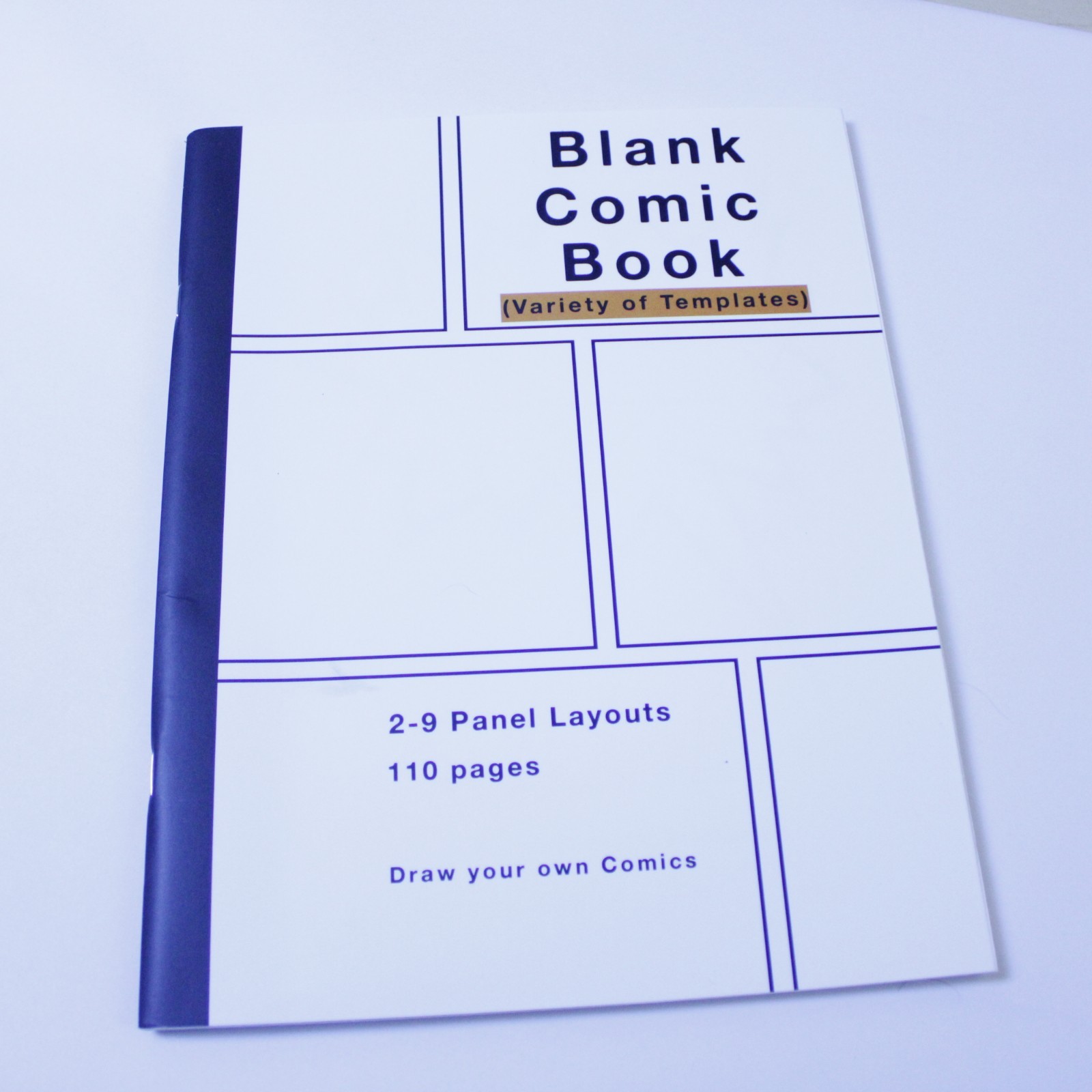
Comic Journal for Beginners and Manga Artists: 10 Must-Try Storytelling Prompts and Tips to Start Drawing Today
Comic Journal for Beginners and Manga Artists: 10 Must-Try Storytelling Prompts and Tips to Start Drawing Today
The leap from having an idea to completing a cohesive narrative is often the most daunting part of the creative process. For aspiring comic artists and dedicated manga hobbyists, the challenge isn't just drawing—it's structuring the story within the panel. This journal is designed not just as a sketchbook, but as a comprehensive educational companion, providing the structure, prompts, and physical space necessary to transform scattered concepts into powerful, visualized narratives. If you are ready to stop merely sketching and start genuinely building worlds, this resource provides the immediate framework you need.
What Are the Core Benefits of Using a Specialized Comic Journal?
Many general sketchbooks are inadequate for the unique requirements of sequential art. They treat comics as loose drawings rather than a structured, measured medium. This specialized journal overcomes those limitations by focusing on the distinct needs of comic book and manga storytelling. Instead of just providing blank pages, it offers dedicated, versatile panels that teach the fundamentals of visual pacing and character staging from the moment you open it.
For the Beginner Artist: The primary benefit is guided practice. The included prompts and panel structure act as a scaffold, preventing the "blank page paralysis." By following a prompt, you are forced to solve a specific narrative problem—like escalating tension or revealing backstory—which is far more valuable than simply drawing a pretty picture.
For the Professional Manga Artist: Even experienced creators benefit from a dedicated workflow tool. These journals force structural thinking, encouraging the exploration of different panel layouts, gutters, and visual pacing that might otherwise be overlooked. It acts as an essential pre-production tool for pitching or self-publishing work.
How Do These Prompts Accelerate Story Development Beyond Drawing?
The prompts are intentionally designed to address the pillars of narrative theory. They don't just say "Draw a hero fighting"; they guide you to the emotional climax, the inciting incident, and the fallout. This means you are practicing:
- Character Motivation: Prompts might require the character to make an impossible choice, forcing deep dives into internal conflict.
- Conflict Escalation: You practice building tension across multiple panels, mastering the rhythm of the story.
- Show, Don't Tell: Instead of writing dialogue that explains the mood, you are prompted to use visuals (setting, body language, framing) to convey the emotion, a core skill in professional comics.
How Does This Journal Solve the Problem of Narrative Structure and Pacing?
A successful comic is less about the quality of the individual drawing and more about the rhythm—the measured transition from one panel to the next. This journal helps you internalize those rhythms.
Mastering Panel Layout and Flow
The standardized, yet versatile, panel format is key. It teaches you about the 'gutter'—the implied gap between panels. In visual storytelling, the gutter is where the reader's imagination does the work, connecting Action A to Action B. By physically drawing within these demarcated panels, you learn to manage pacing:
- Slow Pacing: Using large, detailed panels to let the reader dwell on a single moment of introspection.
- Fast Pacing: Using a series of small, tightly packed panels to simulate a flurry of action, increasing perceived speed and intensity.
Understanding how to manipulate the viewer's eye movement across the page is the highest skill in comic art, and this physical journal provides the ideal sandbox for that experimentation. To view this item and start practicing structural layouts, please check out this item.
Moving Beyond the Concept: From Idea to Script
The most common failure point for new artists is the gap between the idea (a flash of inspiration) and the executable script. This journal bridges that gap. By working through structured prompts, you are effectively creating miniature scripts. You are not just drawing a scene; you are logging the necessary emotional beats, camera angles, and character movements required to tell the story. This systematic approach drastically cuts down on time spent during the actual production phase.
Who is This Comic Journal Ideal For? (Identifying Your Target Skill Level)
While the title suggests beginners, the utility of this journal extends across the entire spectrum of comic artists, making it an invaluable investment. Consider these specific roles:
For the Absolute Beginner:
If you struggle with where to begin, the journaling prompts provide the necessary starting friction. Treat the journal as a guided workout for your storytelling muscles. Focus initially on the prompts that involve simple character interaction or single-setting mini-scenarios. Your goal is to complete the panel, not to create a masterpiece. Consistency is the only metric that matters here.
For the Developing Amateur:
The amateur often struggles with genre adherence and character consistency. Use the prompts to prototype different genres—try a sci-fi prompt one week and a romance prompt the next. This versatility allows you to practice adapting your drawing style, tone, and dialogue flow to suit wildly different narrative demands, expanding your artistic range exponentially.
For the Experienced Professional:
Even a seasoned artist can use this resource for world-building exercises. If you are working on a large, complex graphic novel, use the journal to quickly mock up and test out alternate plot points or visualize character interactions that feel clunky on paper. It is a low-stakes environment for high-stakes structural testing.
How Does Portability and Durability Support a Creative Workflow?
An essential tool for a traveling artist must be reliable. This journal is designed to be lightweight and durable, meaning your inspiration doesn't have to wait until you get back to a dedicated studio. You can capture those vital, momentary bursts of creativity—a perfect shadow, a unique piece of dialogue, a striking character pose—on a train, in a coffee shop, or at a park bench. It is built to be a true companion for the modern, itinerant creator.
Furthermore, its educational focus means that even when you aren't actively drawing, simply reviewing the journal acts as a reminder of the fundamental lessons learned: how panels build momentum, how emotion drives action, and how structure gives meaning to the art. Making a journal this comprehensive and accessible is a massive advantage, and you can secure your copy by viewing the full details. Invest in your craft today.
Comic Journal for Beginners and Manga Artists: 10 Must-Try Storytelling Prompts and Tips to Start Drawing Today


Comments