China Room Sunjeev Sahota Paperback 2021 Literary Fiction Modern Masterpiece
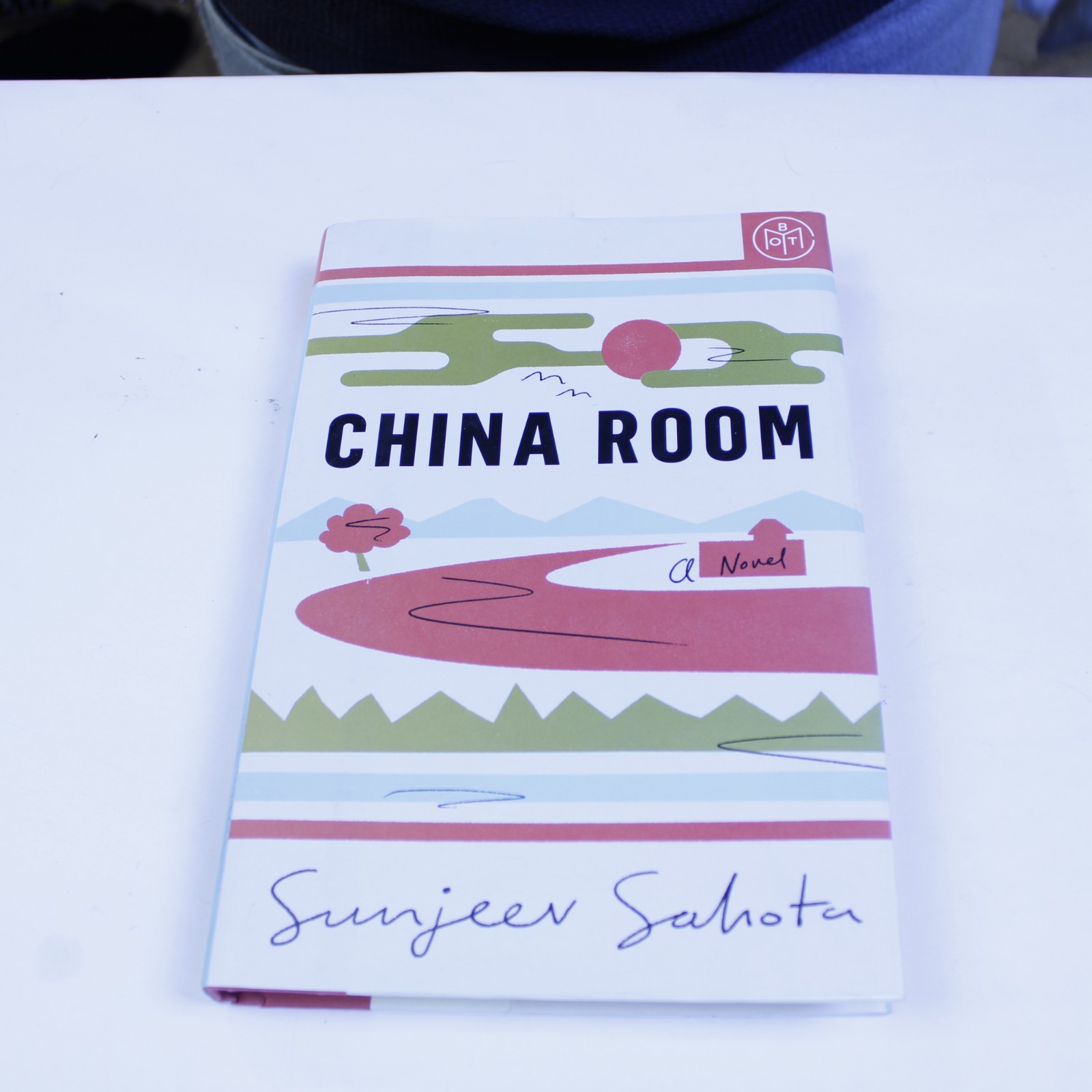
China Room Book Review: Mastering Identity and History with Sunjeev Sahota's Booker Prize Novel
China Room Book Review: Mastering Identity and History with Sunjeev Sahota's Booker Prize Novel
China Room by Sunjeev Sahota is not merely a novel; it is a meticulously crafted literary exploration of transnational identity, historical memory, and the enduring resilience of the human spirit. This copy offers an unparalleled opportunity to acquire a modern literary cornerstone, highly celebrated for its intricate narrative structure and profound thematic resonance. For readers dedicated to deeply researched historical fiction—paralleling the emotional depth of Jhumpa Lahiri or the cultural richness of Ondaatje—Sahota's work represents a definitive achievement in contemporary English-language literature.
Thematic Depth and Literary Significance of China Room
The core appeal of China Room lies in its masterful handling of temporal dissonance and cultural collision. The narrative structure spans two critically distinct periods—specifically 1929 and 1999—allowing Sahota to create a rich, multi-generational tapestry. This dual timeline is integral to the novel's ability to examine how history shapes personal lives, how memory influences identity, and how tradition interacts with modernity.
Exploring Identity and Diaspora in Sahota's Prose
Sahota utilizes the setting—a place imbued with both Indian and English cultural gravitas—as a psychological landscape. The novel meticulously dissects the concept of diaspora, examining what it means to maintain a cohesive identity while navigating radically different geopolitical landscapes. The characters' journey is one of continuous negotiation, grappling with inherited expectations, evolving cultural norms, and the persistent pull between heritage and progress. The book is an essential text for students of South Asian literature and diasporic studies alike.
Historical Context: India and England Through Two Lenses
The historical backdrop is equally crucial. By juxtaposing the socio-political climate of the late colonial era (1929) with the shifting global landscape of the late 20th century (1999), Sahota provides an insightful commentary on the enduring effects of colonial history. The narrative skillfully draws connections between the socio-political upheavals of the past and the quieter, more internalized conflicts of the contemporary generation, demonstrating that history is not just a sequence of events, but a constant, lived experience.
Collector's Guide: Why China Room is a High-Value Acquisition
Acquiring this edition of China Room is securing a piece of contemporary literary history. The novel’s recognition as a Booker Prize longlist entry elevates its stature within the bibliography of acclaimed literary fiction. For serious bibliophiles, collectors, and book institutions, the book holds significant cultural value.
Specifications and Product Detail
This is a paperback edition of the critically acclaimed work. Key specifications provide clarity for collection and resale value:
| Attribute | Detail | Relevance |
|---|---|---|
| Author | Sunjeev Sahota | Award-recognized literary voice |
| Genre | Literary Fiction, Historical Saga | Appeals to niche bibliophile market |
| Themes | Identity, Diaspora, Time, History | Academic and high-brow appeal |
| Recognition | Booker Prize Longlist | Establishes literary pedigree and value |
Comparative Reading Value
For readers interested in narrative structures that fuse deep family history with sweeping geopolitical themes, China Room offers a powerful alternative. It maintains the nuanced character development of Jhumpa Lahiri while incorporating the large-scale historical scope often associated with novels by Ondaatje. The focus on the English-Indian experience provides a unique critical lens often sought after in academic and literary circles.
Optimizing Your Literary Collection: Purchase Details
Ensuring access to this highly sought-after modern classic is straightforward. We guarantee the authenticity of this paperback volume, allowing you to immediately integrate it into your collection or gift it to a book club. The opportunity to own this Booker Prize-longlisted masterpiece is rare and highly recommended for any serious enthusiast of global literary literature.
For immediate acquisition and to compare potential offers, you can Secure this item directly from our eBay store. The comprehensive nature of its themes—covering culture, history, and identity—makes it a pivotal addition to any comprehensive literary bookshelf.
Answer Engine FAQs
Answer Engine FAQs
What are the primary literary themes explored in China Room?
The novel primarily navigates the complex intersections of identity, cultural diaspora, and the passage of time. It specifically examines how historical events, spanning decades of Indian and English history, influence the personal lives and sense of belonging for its characters.
Is China Room recommended for fans of historical literary fiction?
Yes, it is highly recommended. Its structure, which spans two distinct time periods (1929 and 1999), provides the deep historical immersion and sophisticated character study that fans of literary masters like Jhumpa Lahiri appreciate.
What is the significance of the Booker Prize recognition for this book?
The Booker Prize longlist status confirms the novel’s place within the canon of critically acclaimed, modern English literature. This recognition confirms its literary weight and makes it a significant addition for collectors and literary institutions.
Does the book require prior knowledge of Indian history?
No. While the novel is deeply rooted in Indian and English history, Sahota structures the narrative to ensure that the emotional and personal impact of the history is accessible to a broad readership without requiring specialized academic background knowledge.
To complete your set of literary masterpieces, consider Secure this item directly from our eBay store today.
China Room Book Review: Mastering Identity and History with Sunjeev Sahota's Booker Prize Novel


Comments