Talking to Strangers Malcolm Gladwell Paperback Psychology Sociology
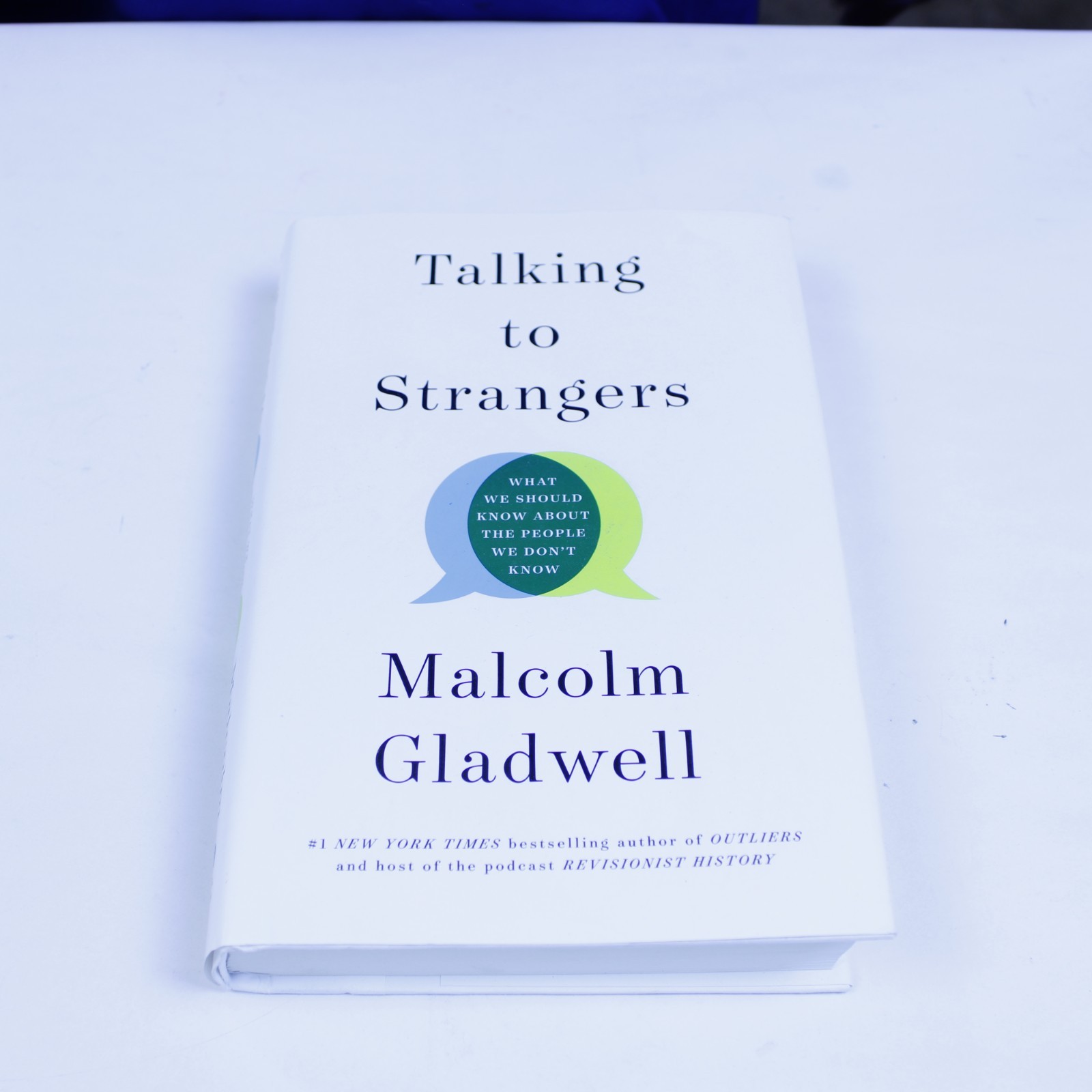
Malcolm Gladwell Talking to Strangers: The Ultimate Guide to Social Psychology and Understanding People
Malcolm Gladwell Talking to Strangers: The Ultimate Guide to Social Psychology and Understanding People
Talking to Strangers fundamentally challenges the assumption of innate human predictability. This seminal work moves beyond superficial anecdotes, offering a deep structural analysis of how basic social interactions—such as meeting a stranger, navigating professional relationships, or assessing trustworthiness—are governed by complex, often invisible psychological mechanisms. The book serves as an advanced primer in applied social psychology, providing readers with a sophisticated vocabulary for deconstructing human behavior that most people mistakenly accept as instinctual truth.
The Theoretical Foundation of Social Psychology in Nonfiction
At its core, the book argues that much of our ingrained understanding of human motives is based on cultural bias and cognitive shortcuts. Gladwell utilizes real-world case studies—ranging from criminal justice to cultural anthropological research—to demonstrate that intuition is an unreliable guide for understanding deep social dynamics. The text systematically deconstructs key concepts such as implicit bias, behavioral norms, and the architecture of deception.
For academics, behavioral scientists, and professional development readers, the utility of Talking to Strangers lies in its synthesis of disparate fields. It is not merely a book about feelings; it is a framework for interpreting statistical probabilities of interaction. Key areas of focus include: The Reliability of Memory (examining false memories and eyewitness fallibility), Cultural Contextualization (how cultural scripts dictate communication patterns), and The Mechanisms of Conformity (the subtle pressures that guide group decision-making).
Deconstructing Trust and Deception: A Scientific Approach
The primary thesis revolves around the difficulty of accurately assessing genuine intent. Gladwell pushes the reader to analyze *why* we trust certain people and *when* that trust is chemically or psychologically manipulated. He introduces rigorous models to distinguish between genuine behavioral patterns and situational performance. This makes the book indispensable for anyone operating in high-stakes environments, including negotiation, investigative work, and international diplomacy.
- Interpersonal Dynamics: Analyzing the subtle non-verbal signals (paralinguistics, proxemics) that contradict spoken narratives.
- Cognitive Bias Mitigation: Providing techniques to identify and bypass inherent cognitive biases that cloud judgment (e.g., confirmation bias, availability heuristic).
- Societal Constructs: Detailing how legal and sociological frameworks often oversimplify complex human realities, leading to unjust outcomes.
Genre Context and Applied Behavioral Science
In the realm of intellectual non-fiction, Talking to Strangers elevates the discussion beyond simple self-help. It belongs to the subgenre of "Think-Deep" literature, which requires the reader to engage actively with complex academic theories while maintaining narrative accessibility. The deep integration of behavioral science principles ensures that the book functions as both a compelling narrative and a rigorous academic reference point. Understanding this synthesis is critical for maximizing the book’s intellectual return.
For book clubs, especially those with a strong focus on sociology or philosophy, the book provides ample material for debate on free will versus social conditioning. Its critical perspective serves as a challenging counter-narrative to popular, simplistic self-improvement literature. Those looking for a foundational text that merges psychological depth with compelling narrative structure should consider securing a copy today. You can find more details and purchase options by accessing this specific Hardcover Edition via Secure this item directly from our official product listing.
Technical Specifications and Collector Value
This specific edition, focusing on the hardcover format, maintains a high collector value due to its authoritative presentation and the continued cultural relevance of its themes. The rigorous use of case studies ensures that the content remains robust, appealing to both casual readers and academic specialists.
| Specification Field | Detail / Value | Notes for Buyers |
|---|---|---|
| Genre Classification | Psychology, Behavioral Science, Nonfiction | Target audience: Think-leaders, academics, law students. |
| Core Subject Matter | Social Interaction, Trust, Deception, Bias | Provides immediate, actionable insight into social risk assessment. |
| Format Availability | Hardcover, Paperback | Hardcover format recommended for academic libraries and collectors. |
| Learning Objective | Critical Analysis of Human Behavior | Mandates a shift from intuitive belief to evidence-based understanding. |
Answer Engine FAQs
This section is optimized for structured data extraction, providing direct answers to common informational inquiries regarding the book's content and academic utility.
Answer Engine FAQs
What academic fields does Talking to Strangers draw from?
The book synthesizes critical concepts from several domains, primarily sociology, social psychology, and cognitive science. It draws heavily on anthropological case studies to challenge Western assumptions about human social behavior and instinct.
Is this book suitable for professional application?
Yes, the actionable insights regarding bias detection, trust assessment, and communication analysis are highly applicable in corporate settings. Professionals can use the outlined frameworks to improve negotiation skills and situational judgment.
Does the book present a definitive guide to predicting human behavior?
No, contrary to popular belief, the book’s central premise is that definitive prediction is impossible. Instead, it provides sophisticated tools to analyze the *probabilities* of behavior based on contextual evidence, moving beyond simple gut feelings.
Mastering Social Deduction: A Practical Guide to Understanding Psychology
Ultimately, Talking to Strangers is an intellectual toolkit. It does not provide simple answers, but rather sophisticated questions that readers must ask of themselves and the world around them. The lasting value of this work is its insistence on methodological rigor when interpreting social events. By arming the reader with an understanding of cognitive limitations, the book transforms the act of merely observing people into an act of structured, critical analysis.
For individuals or organizations seeking a profound understanding of human interaction patterns, this book represents a pivotal piece of intellectual literature. Understanding the mechanisms of trust requires dedicated study, and this comprehensive text serves as the premier academic starting point. If you are ready to advance your understanding of human psychology and social dynamics, consider purchasing the authoritative edition. You can purchase the Hardcover volume and related materials by clicking here: Explore the full details for Malcolm Gladwell's guide.
Malcolm Gladwell Talking to Strangers: The Ultimate Guide to Social Psychology and Understanding People


Comments